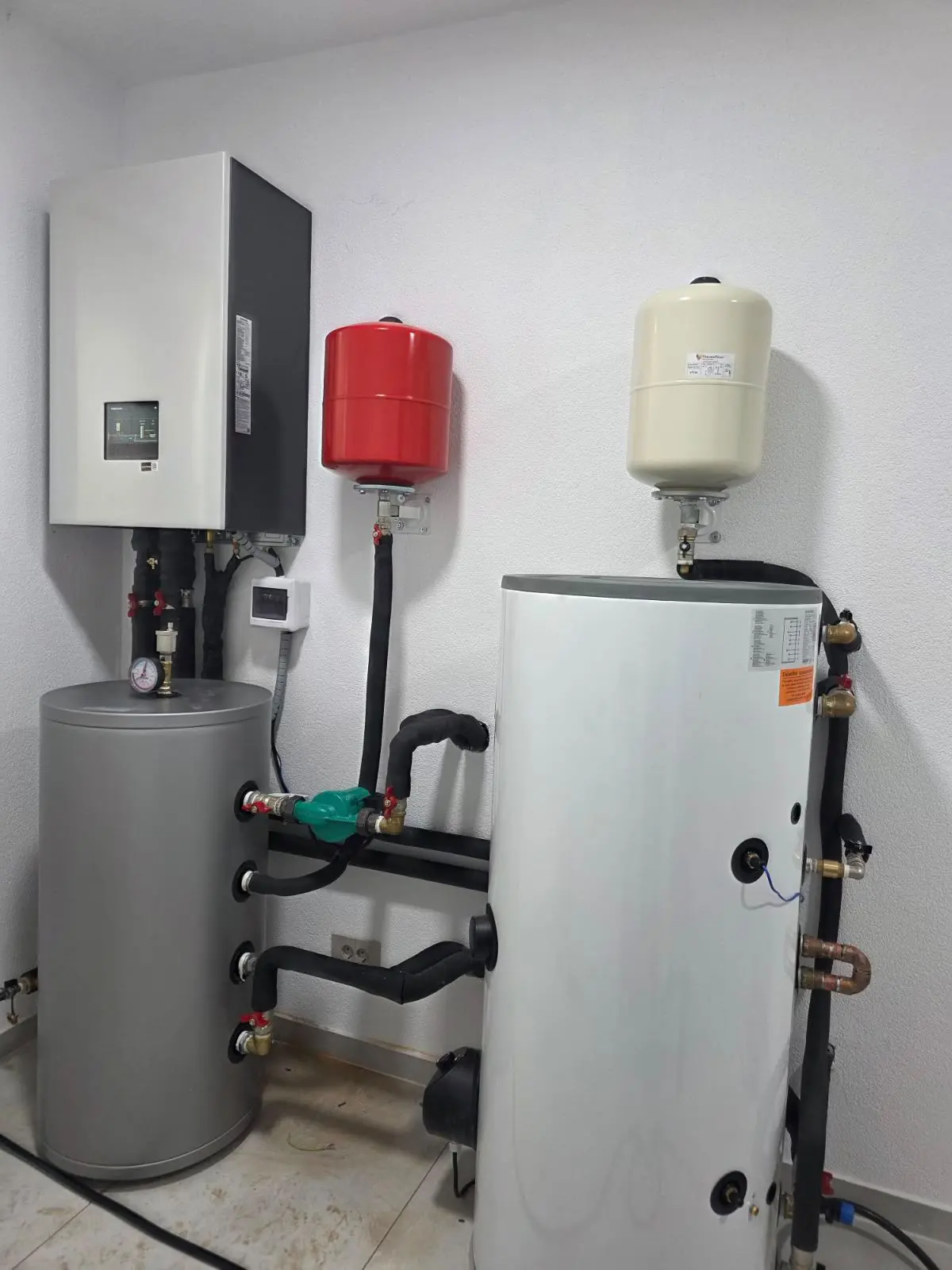
Most heating failures in Kosovo do not happen in the first cold week of December. They happen on the coldest night of January, when a heat pump has been running on a clogged filter for two months, a radiator has trapped air since last season, or a carbon monoxide alarm has been silent because nobody tested it. A heating system checklist for Kosovo homes turns those problems into a few hours of work in October or November. This guide covers what our technicians check in homes across Kosovo, what you can handle yourself, and where a professional visit is worth the cost.
Table of Contents
- Quick Takeaways
- Why Kosovo Homes Need a Pre-Season Heating Check
- Inspecting Your Heat Source
- Air Filters and Airflow
- Vents, Ducts and Radiators
- Test Run Before the First Cold Snap
- Carbon Monoxide and Safety Checks
- Insulation, Air Leaks and Heat Loss
- DIY Check or Professional Service
- Common Pre-Season Mistakes
- Frequently Asked Questions
- References
Quick Takeaways
|
Key Insight |
Explanation |
|---|---|
|
Book the heat source inspection by late October |
Technicians get busy once the first cold spell arrives, and a system checked early is far less likely to fail during peak demand. |
|
Check the air filter before you switch on the heating |
A clogged filter restricts airflow, forcing the system to run longer and use more energy for less warmth. |
|
Clear the space around the outdoor heat pump unit |
Leaves, debris, and snow block airflow across the coil, which reduces output and strains the compressor. |
|
Bleed radiators and check system pressure |
Trapped air leaves the top of a radiator cold while the rest of the system runs normally, a fault you can spot with your hand in five minutes. |
|
Run the system through a full cycle before you need it |
A test run reveals odd noises, uneven room temperatures, and thermostat faults while there is still time to fix them. |
|
Test carbon monoxide alarms and check fuel-burning appliances |
Any boiler or fuel-burning appliance in the home needs working detection and proper ventilation before the heating season starts. |
|
Seal drafts before heat escapes |
Air leaks around windows, doors, and vents waste the heat your system produces, so sealing them lowers the workload on the heating equipment. |
Why Kosovo Homes Need a Pre-Season Heating Check
Heating systems in Kosovo sit idle for much of the year, and that idle time causes its own problems. Dust settles on coils and burners, seals dry out, and split units or heat pumps that spent the summer on cooling mode start the season with a layer of grime that nobody thought to clean. Maintaining your home before winter helps you avoid expensive repairs and keeps the system efficient, which is exactly what a homeowner wants when heating bills start to climb.
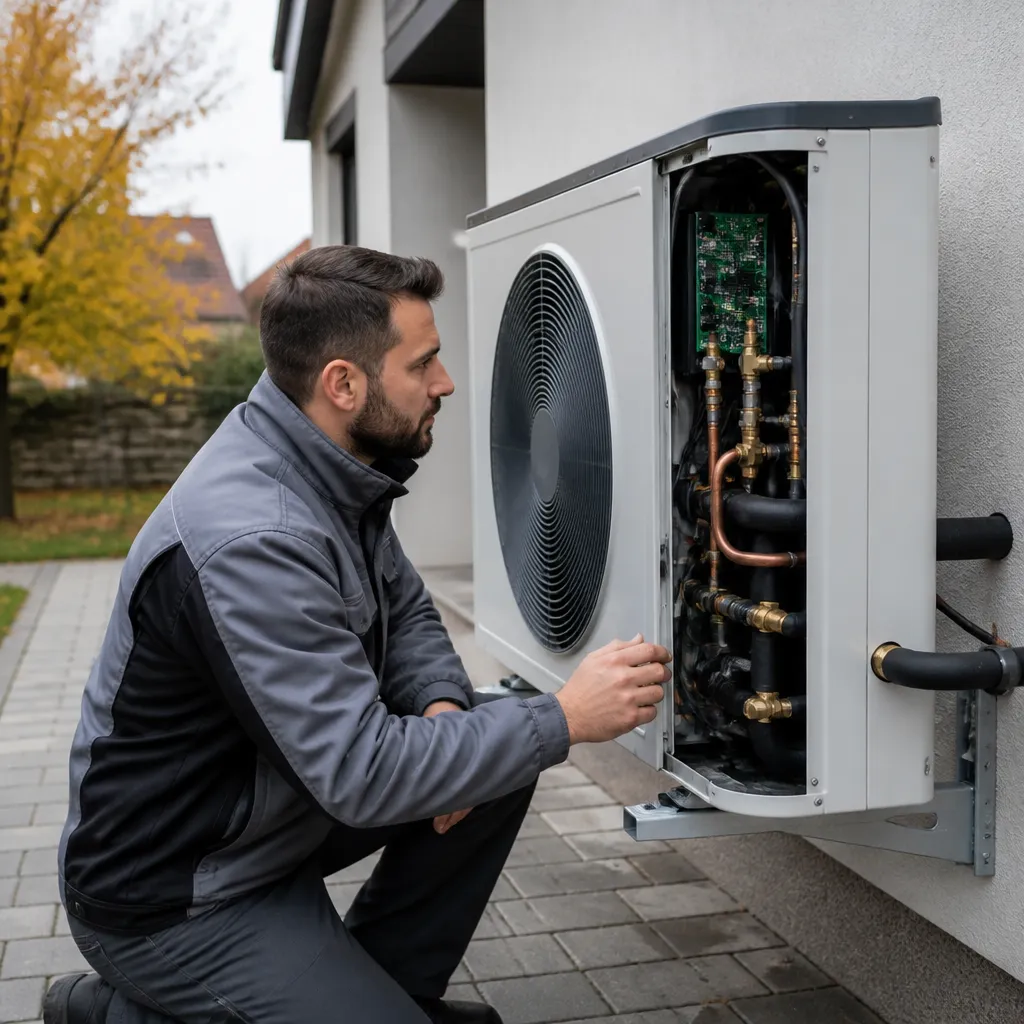
In practice, most emergency calls during a cold snap are for problems that could have been found in an hour in October. A tripped control board, a weak circulation pump, or a blocked filter rarely fails without warning, but it usually fails on the coldest night of the year. Our teams see the same pattern in residential blocks and detached homes alike.
A pre-season check also tells you whether the system is actually suited to the home. If rooms were always cold last winter, the checklist will show whether the cause is a maintenance issue, a blocked airflow path, or a building envelope that loses heat faster than the equipment can replace it.
A heating system checked in October is a repair. The same system checked in January is an emergency.
Inspecting Your Heat Source
The heat source is the first thing to inspect, whether it is a heat pump, a gas or oil boiler, or a central heating system fed by a pump and a storage tank. Most homeowners cannot test combustion, refrigerant levels, or electrical connections safely, so this part of the checklist is about planning and observation. Confirm that the system starts, that it runs without unusual noise, and that the thermostat responds to a change in setpoint.
Heat pump outdoor units
Walk outside and look at the outdoor unit. Remove leaves, plastic bags, and debris from around the fan and coil, and keep at least the clearance the manufacturer specifies on every side. In a cold climate, snow and ice can build up quickly, so clear the area after heavy snowfall rather than waiting for the unit to struggle.
Heat pumps also go through defrost cycles in cold weather, when steam or vapour may come off the outdoor unit. That is normal operation. What is not normal is ice that fully encases the fan, a loud grinding sound, or a unit that stays cold while the indoor fan runs. Those signs call for a technician, not a DIY repair.
Boilers and central heating
For boiler-based systems, check the pressure gauge on the boiler and the expansion vessel reading if you know how to access it. Low pressure is one of the most common reasons a boiler cycles on and off without producing steady heat. Look for drips at valves and connections, and make sure the circulation pump is running when the heating is on.
Booking the annual tune-up
Schedule a professional inspection before the first sustained cold period. A technician can measure performance, clean internal components, check controls, and catch wear that a visual check will miss. Booking in late September or October also means you are not waiting in a queue when the first hard frost arrives.
Pro tip: Photograph the outdoor unit and the boiler pressure gauge before the season starts. If something changes in January, a comparison photo tells the technician exactly what has shifted.
Air Filters and Airflow
The air filter is the cheapest item on the checklist and the one most often ignored. A dirty filter restricts airflow, which makes the heating system work harder and run longer. The U.S. Department of Energy advises checking filters regularly and replacing them when they become dirty, a principle that applies in any climate.
Checking the filter
Locate the filter in the furnace, air handler, or return grille and hold it up to a light. If you cannot see light through the mesh, replace it. Disposable filters should be swapped according to the manufacturer’s specifications, and you should confirm the airflow arrow points in the right direction before closing the cover. Once the heating season starts, check the filter again every few weeks, because a filter that looked fine in October can clog quickly during a dusty winter.
Why higher filter ratings are not always better
A common mistake is buying the highest-rated filter on the shelf and assuming it is the best choice. A filter that is too restrictive for a particular system can reduce airflow and cause the same problems a dirty filter causes. Follow the equipment manufacturer’s recommendation, and if you are unsure, ask a technician to check the system’s airflow before changing to a denser filter.
In practice, the right filter is the one the system was designed for. Better filtration is useful, but only when the rest of the airflow path can support it. For most homes, a correctly sized standard filter changed on schedule does more good than a premium filter left in place for a full season.
Vents, Ducts and Radiators
Even a healthy heat source is only as good as the path that carries heat into the rooms. Blocked vents, dusty registers, leaking ducts, and trapped air in radiators all leave rooms cold while the equipment runs. This section is one of the easiest to complete yourself, and it often explains why one room in the flat is always colder than the rest.
Clear vents and registers
Walk through every room and make sure furniture, curtains, and rugs are not covering supply vents or radiator fronts. Clean dust and debris from around registers and outlets, and check that dampers are open. Closing vents in unused rooms seems like a way to save energy, but it can upset the pressure balance in a ducted system and make other rooms harder to heat.
Bleeding radiators
If your home uses hydronic radiators, bleed each one before the heating season. Open the valve with a radiator key until a steady stream of water comes out, then close it. If the top of a radiator stays cold while the bottom is warm, trapped air is the likely cause. After bleeding, check the system pressure again, because releasing air can lower it.
Duct leaks and sealing
Ductwork that runs through unheated spaces such as basements, attics, or crawl spaces can lose a surprising amount of heat before it reaches the living area. Look for loose joints, gaps, and disconnected sections in any accessible ducts. Sealing those leaks is a job for a professional, but spotting them early gives the technician a clear starting point.
A duct inspection is also worth requesting if you notice excessive dust around supply registers, unusual odours from vents, or evidence of pests. These are signs that the problem goes beyond heating efficiency and into air quality, and they are easier to address before the windows stay shut for the winter.
Test Run Before the First Cold Snap
A test run is the step most homeowners skip because the heating appears to work during the warm days of autumn. Running the system at a realistic setpoint, for a full cycle, shows you problems that only appear under sustained load. Do this before the first cold night, not on it.
Running a full cycle
Set the thermostat to a temperature well above the current room temperature and let the system run until it reaches that setting and cycles off. Note how long it takes, whether the heat is even across rooms, and whether the system starts and stops smoothly. A system that short-cycles, rattles, or takes much longer than usual to warm the home needs attention while a technician is still easy to book.
What to listen and look for
Listen for banging pipes, grinding fans, and whistling at vents. Look for water under the boiler or heat pump, scorch marks near electrical connections, and unusual smells on first start-up. A faint dusty smell that fades within a few minutes is common after a long summer, but a burning or chemical smell is not, and that means switching off the system and calling a professional.
Check the thermostat too. Replace the batteries if the display is weak, confirm the schedule matches your household’s routine, and make sure the sensor is not sitting in direct sunlight or next to a heat source. A thermostat that reads the wrong temperature will make a healthy system look faulty, and the reverse is also true.
Carbon Monoxide and Safety Checks
Safety belongs at the top of any heating checklist, not at the bottom. Any appliance that burns fuel, including a gas boiler, a wood stove, or a gas water heater, can produce carbon monoxide if combustion or venting goes wrong. Carbon monoxide has no smell or colour, so you cannot rely on your senses to warn you. Fall is an excellent time to make this part of your routine, because it is the moment before the appliances are used heavily for months.
Alarm placement and testing
Test every carbon monoxide alarm by pressing its test button, and replace the batteries if the alarm is battery-powered or if it is more than a few years old. Place alarms according to the manufacturer’s guidance, usually on each level of the home and near sleeping areas. An alarm that has been installed for years and never tested is not protecting anyone.
Appliance venting and ventilation
Check that vents, flues, and chimneys are clear of nests, ice, and debris. If a fuel-burning appliance is in a closed room, make sure the room has the ventilation the appliance requires, and never block air intake openings with stored items. If you notice soot, condensation on windows near a flue, or a yellow or irregular flame on a gas burner, switch off the appliance and call a qualified technician.
Keeping the home ventilated is also a practical question in Kosovo, where many people seal their windows tightly in winter. Good heating does not require a sealed box, and a planned fresh-air strategy protects both comfort and safety.
Insulation, Air Leaks and Heat Loss
A heating system cannot outperform the building it heats. Poor insulation and air leaks force the equipment to run longer, and no amount of maintenance on the boiler or heat pump will fully solve a draft problem. This is where a pre-season check can save the most money, because many of the fixes are inexpensive and easy to plan.
Start with the attic or the top floor. If heat loss through the roof is a concern, adding or increasing attic insulation or getting a professional inspection is a sensible step before winter. Most homeowners do not know how much heat leaves through an uninsulated ceiling until they measure room temperatures before and after the work.
Finding and sealing air leaks
On a windy day, hold a lit incense stick or a thin strip of tissue near window frames, door edges, electrical outlets, and the gaps around pipes. If the smoke moves or the tissue flutters, you have found a leak. Seal these with weatherstripping, caulk, or foam sealant, paying attention to places where the building meets the frame.
Window coverings and seasonal changes
Heavy curtains drawn at night and opened during the day can reduce heat loss through glass in a meaningful way. Replace any missing or cracked window seals before the cold arrives, and consider storm windows or secondary glazing if the existing glass is single pane. These steps do not replace a working heating system, but they reduce the load the system has to carry.
DIY Check or Professional Service
Not every item on this checklist needs a technician, and not every homeowner should attempt the work alone. The right approach depends on the system, the age of the equipment, and how much you want to rely on a service visit. The comparison below shows the three approaches we see most often in Kosovo homes.
|
Approach |
What It Covers |
Best For |
|---|---|---|
|
Homeowner visual check |
Filters, vents, radiator bleeding, outdoor unit clearance, thermostat batteries, and alarm testing |
Households with simple systems that want to catch obvious faults early |
|
Annual professional tune-up |
Performance measurement, internal cleaning, control checks, electrical and safety inspection, and wear assessment |
Most homes with a heat pump or boiler that runs every winter |
|
Full system assessment with ducts and controls |
Everything in a tune-up plus duct condition, airflow balance, insulation review, and recommendations for upgrades |
Large residential buildings, older systems, and homes with persistent cold rooms |
What a homeowner can safely do
Filter changes, vent cleaning, radiator bleeding, outdoor clearance, and alarm testing are all reasonable tasks for a homeowner. These steps involve no gas connections, no refrigerant, and no live electrical work. If a task requires opening a sealed component or accessing wiring, it belongs with a qualified technician.
When a professional visit is non-negotiable
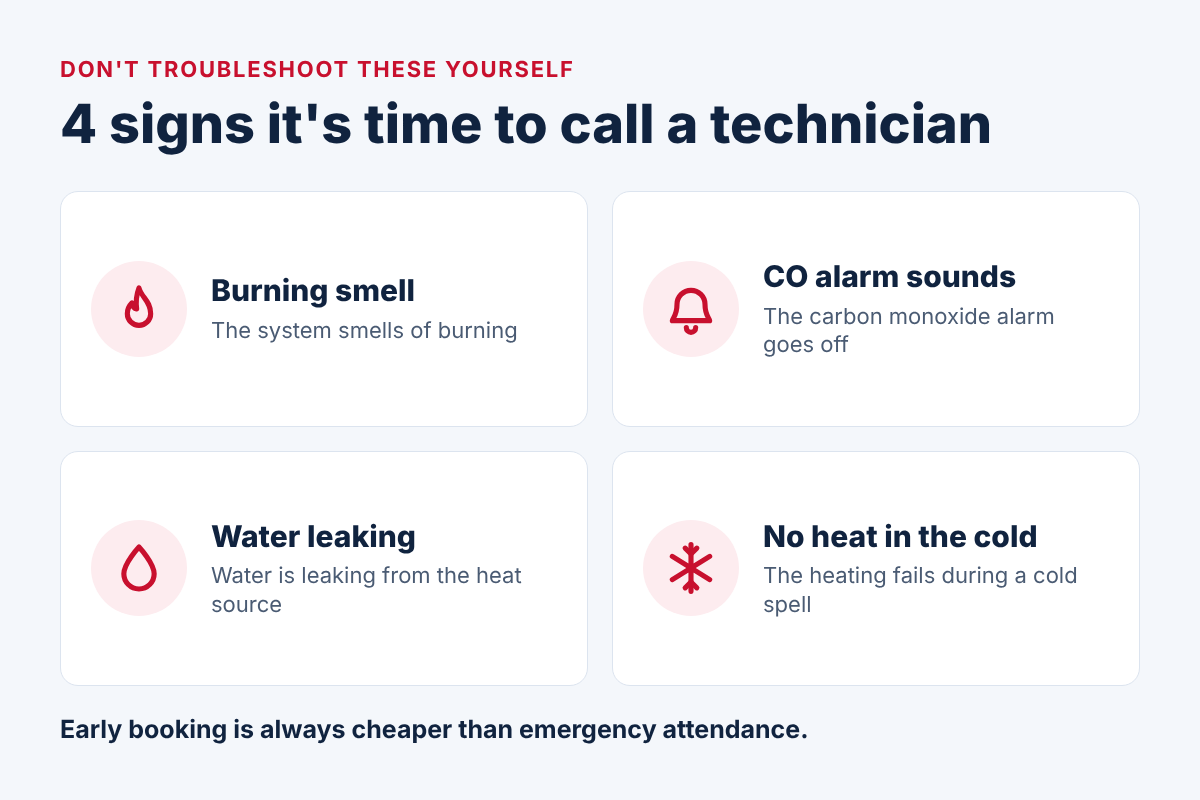
Call a technician if the system smells of burning, if the carbon monoxide alarm sounds, if there is water leaking from the heat source, or if the heating fails during a cold spell. These are not situations to troubleshoot with a manual and a flashlight. Early booking is always cheaper than emergency attendance.
Common Pre-Season Mistakes
The most common mistake is treating the checklist as a one-off task that can wait until the first cold morning. Heating systems that are checked in a hurry often pass the quick test and fail a week later, because the real problems only appear under sustained load. Build the checklist into your autumn routine, and give yourself at least one weekend when the house is quiet enough to listen to the system.
Ignoring the outdoor unit in winter
Many homeowners clear snow from the driveway and forget the heat pump outdoor unit beside it. A heat pump with a blocked coil cannot extract enough heat from the outside air, and the indoor temperature will drop even when the thermostat says the system is running. Add the outdoor unit to your snow-clearing routine.
Closing rooms and blocking airflow
Closing supply vents in rooms you rarely use is a habit that seems sensible but often backfires. The system is designed to move a certain volume of air, and closing vents changes the pressure and temperature balance across the whole home. Keep vents open unless a technician has told you otherwise.
Pro tip: Write down the date of your last filter change, radiator bleed, and professional service on a card taped near the thermostat. A visible record makes the next pre-season check faster and shows the technician what has already been done.
Frequently Asked Questions
How early should I start a heating system checklist in Kosovo?
Start in late September or early October, before the first sustained cold period. Technicians get busier once the first cold spell arrives, so booking early usually gives you a better appointment time and more room to fix anything the inspection finds.
Do heat pumps need different pre-season checks from boilers?
Yes, the focus shifts. Heat pumps need a clear outdoor unit, a clean filter, and a check for ice buildup and normal defrost behaviour. Boilers need pressure checks, leak inspection, circulation pump verification, and carbon monoxide safety tests.
Can I complete the checklist myself or do I need a technician?
You can handle filter changes, vent cleaning, radiator bleeding, outdoor clearance, thermostat checks, and alarm testing yourself. Work on electrical connections, refrigerant, combustion, and sealed components should be left to a qualified technician.
How often should I check the filter during the heating season?
Check the filter every few weeks during the heating season, and replace it whenever it looks visibly clogged. Dusty homes, pets, and construction nearby can shorten the interval, so the schedule should reflect your actual conditions rather than a fixed date.
What should I do if my heating runs but some rooms still feel cold?
Start with the simple causes: bleed radiators, clear blocked vents, and check for closed dampers. If the problem remains, the cause may be duct leakage, weak insulation, or a system that is not balanced for the building, and a professional inspection is the right next step.
Which item on this checklist caught you off guard in past winters, and what did you find when you finally checked it?
References
-
Winter home preparation checklist covering exterior and interior maintenance tasks
-
Fall HVAC checklist with guidance on filters, duct cleaning, and carbon monoxide testing
-
Winter HVAC checklist on furnace inspection, air filters, and sealing air leaks
-
Extreme winter weather preparation tips for home heating and heat pump tune-ups